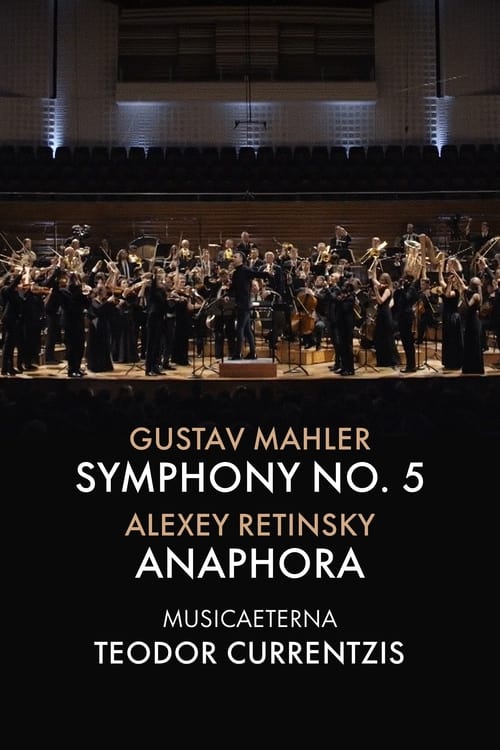
Overview
For Mahler, symphonies always were a means of interpreting the most convoluted philosophical problems that couldn’t be resolved verbally. The ambitious structure of the five-part Fifth Symphony spans from the Funeral March to the roaring finale. It is a forthright attempt to resolve the tragic conflict with the surrounding world. The brilliant fourth part of the symphony, Adagietto, resembles a beautifully mysterious flower that every conductor reimagines in their own style. As one of the twentieth century’s most influential maestros, Mahler redefined the conductor’s role. For him, the conductor is just as integral to his own musical works as they are to the composer. When a maestro steps onto the podium and opens the score, he recreates musical universes from scratch. Teodor Currentzis and the musicAeterna orchestra have performed Mahler’s symphonies around the world for many years. The Fifth Symphony has earned its place as one of the highlights of the cycle.
Production
Les Films Jack Fébus · Unitel · Sony Classical
Cast & Characters

Teodor Currentzis
Self – Conductor
musicAeterna
Self – Orchestra
Directors & Crew
John Blanch
Director
Laurent Lesperon
Producer
More Like This
Mahler - Symphonies Nos. 4, 5 & 6
1976
Verdi Requiem
2007
Rubinstein in Concert
1973
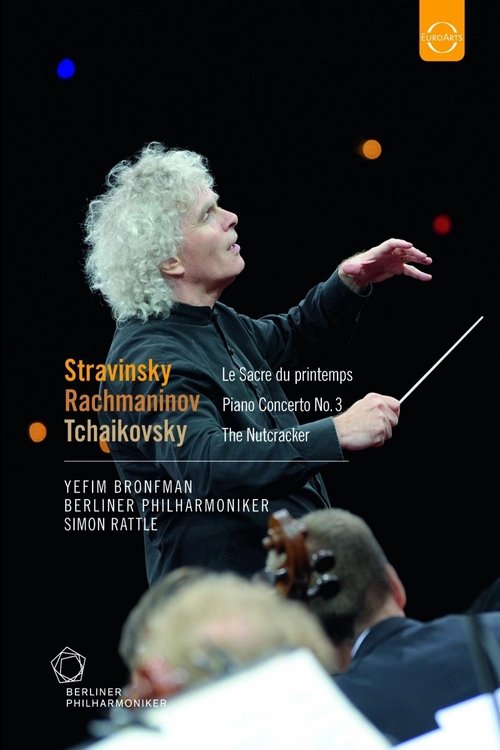
Waldbühne 2009 | Russian Rhythms
2009
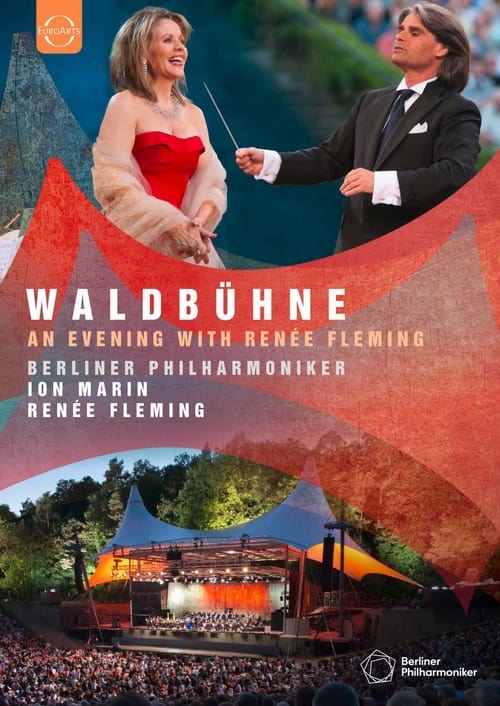
Waldbühne 2010 | An Evening with Renée Fleming
2010
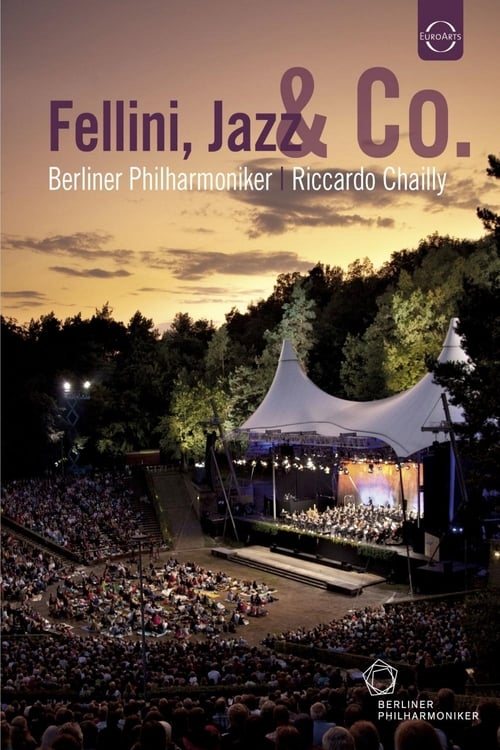
Waldbühne 2011: Fellini, Jazz & Co
2011
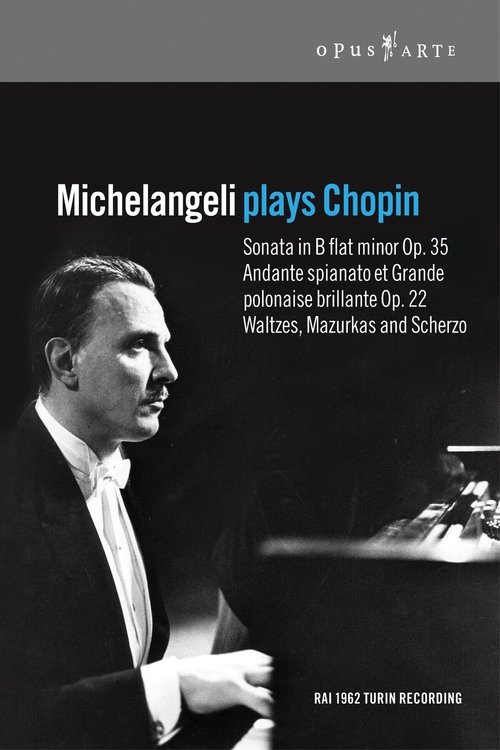
Michelangeli Plays Chopin
1962

The Metropolitan Opera Centennial Gala
1983
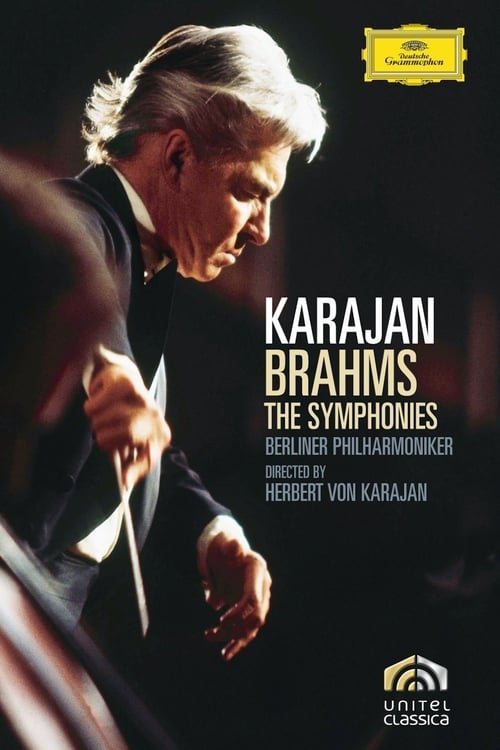
Brahms: The Symphonies
1980

Beethoven Piano Concertos 1-5
1974